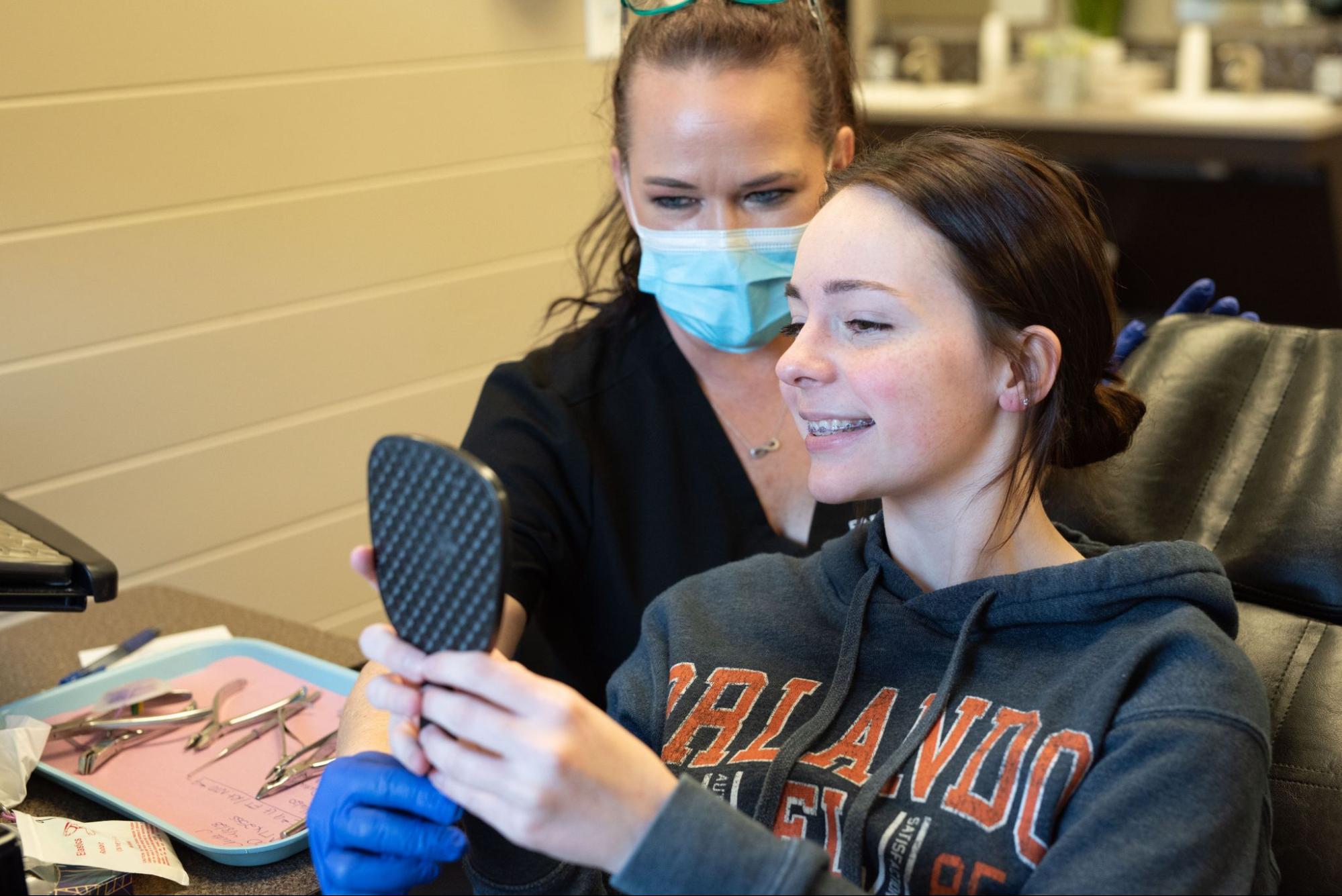
If you’re a parent watching your teen head off to Friday night football, a Saturday rodeo, or a long drive to a cousin’s quinceañera, you already know West Texas life moves fast. Somewhere between practice, homework, and church on Sunday, you noticed their smile could use a little help. Maybe the front teeth are crowding in, or the bite doesn’t quite line up. That’s usually the moment metal braces for teens enter the conversation.
This guide is written for you, parent to parent. We’ll walk through what metal braces actually do, what they cost, how they fit into a teen’s busy world, and how to pick the right orthodontist for your family.

Introduction: Why West Texas Parents Choose Metal Braces
Metal braces remain the most popular teen treatment because they’re proven, durable, and effective on almost every bite issue. Across Midland, Odessa, Lubbock, Abilene, and San Angelo, families at Farnsworth Family Orthodontics choose them because they handle complex cases well and don’t rely on a teen remembering to wear anything.
For active teens who play sports, work on the ranch, or spend weekends at the arena, metal braces are steady and low-maintenance. No trays to lose. No worrying if your teen wore them the required hours. Just steady, predictable progress.
In the sections ahead, you’ll find:
- How metal braces work and what they correct
- Real cost ranges and financing options for Texas families
- How braces fit around sports, school, and Tex-Mex Fridays
- Care tips built for our dry, dusty climate
- Questions to ask before choosing a provider
What Are Metal Braces and How Do They Work?
Metal braces are small stainless-steel brackets bonded to each tooth, connected by a thin archwire and held in place with tiny elastic ligatures (the colored bands teens love to pick). The archwire applies gentle, steady pressure that guides teeth into a healthier position over time.
Today’s metal braces aren’t the clunky mouthful you might remember from the 90s. Brackets are smaller, smoother, and more comfortable. The wires themselves use modern alloys that move teeth efficiently between visits.
Metal braces routinely correct:
- Crowded or overlapping teeth
- Overbite (upper teeth stick out too far)
- Underbite (lower teeth sit ahead of upper)
- Crossbite (some upper teeth sit inside the lower)
- Open bite and spacing issues
Signs Your Teen May Need Braces
Some bite issues are obvious. Others hide in plain sight. If you notice any of the following, it’s worth booking a free consult with an orthodontist.
- Crowded, crooked, or overlapping teeth
- An overbite, underbite, open bite, or crossbite
- Trouble chewing or jaw discomfort
- Mouth breathing or frequent lip biting
- Baby teeth that fell out too early or too late
- Teeth that don’t meet when the mouth is closed
The American Association of Orthodontists (AAO) recommends a first orthodontic evaluation by age 7. Most teens actually start treatment between ages 11 and 14, once most permanent teeth have come in.
Metal Braces vs. Clear Braces vs. Invisalign Teen
With three solid options on the table, most parents want to know which one fits their teen best. Here’s a quick comparison.
| Feature | Metal Braces | Clear Braces | Invisalign Teen |
|---|---|---|---|
| Appearance | Silver with colored bands | Tooth-colored brackets | Nearly invisible aligners |
| Cost | Most budget-friendly | Mid-range | Typically highest |
| Durability | Excellent | Good, can stain | Good with proper wear |
| Best for | Active teens, complex cases | Image-conscious teens | Self-motivated teens |
| Compliance needed | Low | Low | High (20-22 hrs/day) |
| Food restrictions | Yes | Yes | Very few |
For a teen who plays football, rides bulls, or forgets where they left their phone half the day, metal braces are often the smart pick. They stay on the teeth and keep working, no matter what.
The Treatment Experience: From Consultation to Retainer
Here’s what the process looks like from start to finish.
Step 1: First visit. One of our doctors at Farnsworth Family Orthodontics takes X-rays, examines the bite, and builds a customized treatment plan. You’ll leave with a clear picture of what treatment involves and what it costs.
Step 2: Bracket placement. This appointment runs 60 to 90 minutes. Your teen leaves with braces on and a goodie bag of care supplies.
Step 3: Adjustments. Every 4 to 8 weeks, your teen comes back for a quick wire adjustment. Most treatments run 18 to 36 months, depending on how much movement is needed.
Step 4: Removal and retainer. The big day. Braces come off, and a retainer keeps everything in place while the bone settles.
If you’re driving in from Andrews, Big Spring, Snyder, or one of the smaller towns off the beaten path, plan visits around school schedules and errands. Many families group appointments with grocery runs or Saturday sports.
Cost of Metal Braces for Teens in West Texas
Metal braces for teens in Texas typically run between $3,500 and $6,000, depending on complexity and length of treatment. That’s a real number, but it’s rarely paid all at once.
Here’s how West Texas families usually manage the cost:
- Dental insurance. Many plans include an orthodontic benefit for children, often applied as a lifetime maximum per child.
- Medicaid and CHIP. In Texas, medically necessary orthodontic care may be covered for qualifying kids and teens.
- In-house payment plans. Most orthodontic offices offer monthly plans, often with 0% interest and a modest down payment.
- HSA and FSA accounts. Braces are an eligible expense.
- Military discounts. Active-duty and veteran families often qualify for savings.
At your no-cost exam, you’ll get a written estimate so there are no surprises. Every treatment is different, so the only way to know your teen’s real cost is to sit down with one of our doctors.
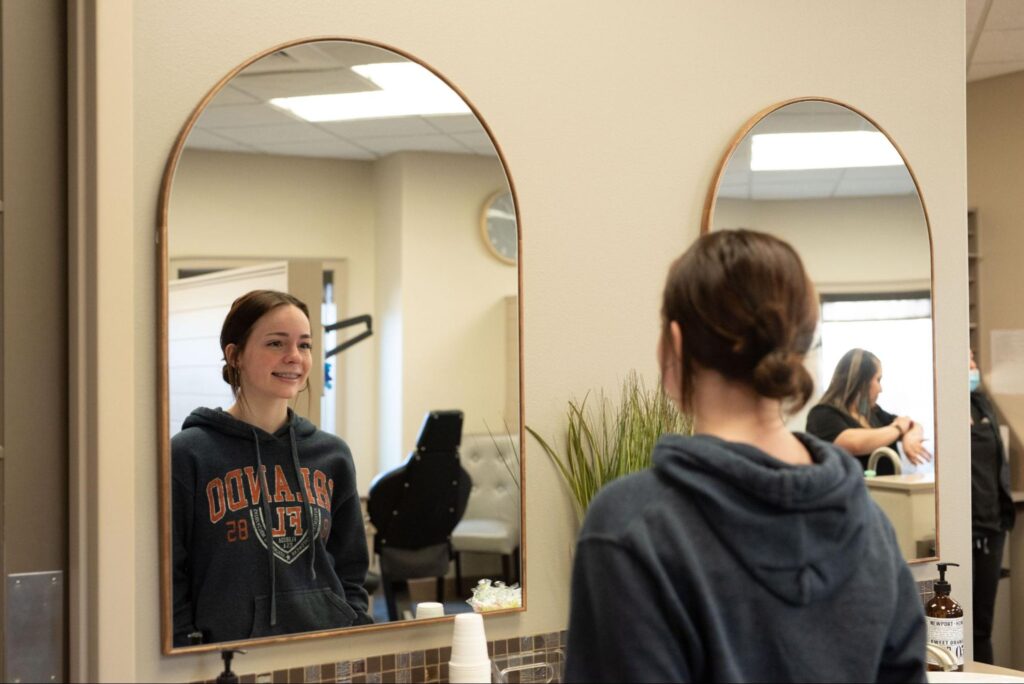
Life With Braces: Sports, School, and Friday Night Lights
Braces don’t sideline your teen. Not from UIL football, not from cheer, not from barrel racing.
A few practical tips for staying in the game:
- Get a custom mouthguard. For contact sports and rodeo events, a properly fitted mouthguard protects both the braces and the lips.
- Pack an emergency kit. Orthodontic wax, a small mirror, and a travel toothbrush go a long way on road trips to away games.
- Time appointments smart. Try to avoid the day before a big game or performance, since teens often feel mild soreness after adjustments.
- Have fun with colors. School colors, holiday themes, birthdays. Colored bands are one of the best perks of metal braces.
Many families start treatment in early summer so the first few weeks of adjustment happen before school ramps back up.
Caring for Braces in the West Texas Climate
Our part of the world is dry, dusty, and hard on hydration. That matters more for a teen in braces than most people realize.
- Drink water all day. Dry mouth increases cavity risk, especially around brackets. A refillable water bottle at school and practice is a small habit with a big payoff.
- Rinse after outdoor practice. A quick swish removes dust and debris that can settle around brackets.
- Watch the hard water. For cleaning retainers and other appliances, distilled water helps prevent mineral buildup.
- Brush after every meal. Yes, every one. Keep a travel toothbrush in the backpack.
- Floss daily. Floss threaders or a water flosser make it much easier around wires.
A solid routine takes about five extra minutes a day and can prevent white spots and cavities that show up when braces come off.
Braces-Friendly Foods (and What to Skip)
Good news: your teen can still enjoy most of their favorites. A few Tex-Mex classics do need a rethink.
Enjoy freely:
- Soft tacos and enchiladas
- Refried beans, rice, and queso
- Scrambled eggs and breakfast tacos
- Smoothies and milkshakes
- Pulled pork, brisket cut small, tender chicken
- Bananas, berries, and soft fruits
Skip or save for later:
- Hard tortilla chips and crunchy tacos
- Popcorn (kernels are notorious for breaking brackets)
- Beef jerky and pork rinds
- Caramel, taffy, and sticky candy
- Whole apples, corn on the cob, and ribs (cut off the bone first)
- Ice chewing
For the first few days after placement or an adjustment, stick with soft foods like yogurt, pasta, soup, and mashed potatoes.
Handling Common Issues and Emergencies
Most braces issues are minor and can wait a day. Here’s a quick guide.
- Poking wire. Push it flat with the eraser end of a pencil, or cover with orthodontic wax. Call the office the next business day.
- Loose bracket. Leave it in place if possible and cover with wax. Call to schedule a repair visit.
- Soreness after adjustments. A warm saltwater rinse and an over-the-counter medicine like ibuprofen usually do the trick within a couple of days.
- Lost retainer. Call the office right away so teeth don’t shift.
- Something actually broken. If it’s causing bleeding or serious discomfort, don’t wait. Call, and we’ll get you in.
Before you make the drive in, a quick phone call can often save a trip.
How to Choose the Right Orthodontist Near You
Picking the right office matters just as much as picking the right treatment. A few things to look for:
- Board-certified orthodontists who are members of the AAO, like the doctors at Farnsworth Family Orthodontics
- Free consultations with a written treatment plan and cost estimate
- Flexible financing and in-house payment options
- Convenient office locations so you’re not driving hours every month
- Real reviews from other West Texas families
- Bilingual team members if that’s important to your family
Ask about the doctors’ experience with teens specifically, and how they handle emergencies for families who live outside the main city.
Frequently Asked Questions
How long do metal braces take on teens?
Most teen treatments run 18 to 36 months. Mild cases can wrap up sooner, while more complex bite corrections take longer. At your first visit, one of our doctors can give you a personalized timeline based on your teen’s specific needs.
What’s the best age for a teen to get braces?
Most teens start treatment between ages 11 and 14, once most permanent teeth have come in. The AAO recommends a first orthodontic evaluation by age 7 to catch issues early, even if treatment doesn’t start until later.
Can my teen play football or ride in rodeo with braces?
Yes. Teens play every sport imaginable while in braces. A custom orthodontic mouthguard protects the lips, cheeks, and brackets from impact. Just let your coach know, and pack an emergency kit for away games.
Do metal braces hurt?
Most teens feel mild soreness for two to four days after braces are first placed, and again after adjustments. It usually responds well to soft foods, saltwater rinses, and standard over-the-counter medicine. Serious discomfort is uncommon.
Are metal braces more affordable than Invisalign Teen?
Typically, yes. Metal braces are usually the most budget-friendly option. Clear braces and Invisalign Teen tend to cost more. Your free consult will include a written estimate for each option your teen is a candidate for.

Schedule Your Teen’s Free Consultation
Metal braces are proven, teen-friendly, and one of the most reliable ways to give your child a dazzling smile. Every teen is a little different, though, and the only way to know the right plan is to sit down with an orthodontist who treats families like yours.
When you’re ready, book a free consult with Farnsworth Family Orthodontics. You’ll get X-rays, a customized treatment plan, and a clear cost estimate at no charge. Simply spectacular smiles start with a single conversation, and we’d love to have it with you and your family.